


"Restoration Is Key”: Fiorella Repetto on Climate Change and Protecting Torres del Paine
24/10/2026
24/10/2026
 5 min


Every October 24th, the world marks International Day against Climate Change, a date promoted since 2009 by the organization 350.org to raise awareness and encourage measures to adapt to and protect our planet.
This year, the effects of global warming have been hard to ignore. In January, a landslide in West Java, Indonesia, left dozens of people missing. In Latin America, heavy rains have triggered flash floods in many countries. In Spain, a storm flooded parts of Valencia and Catalonia in September. And in Chile, Google searches for terms like “meteorología” (weather) and “fenómeno del Niño” (the El Niño phenomenon) have risen by up to 500%, according to Google Trends.
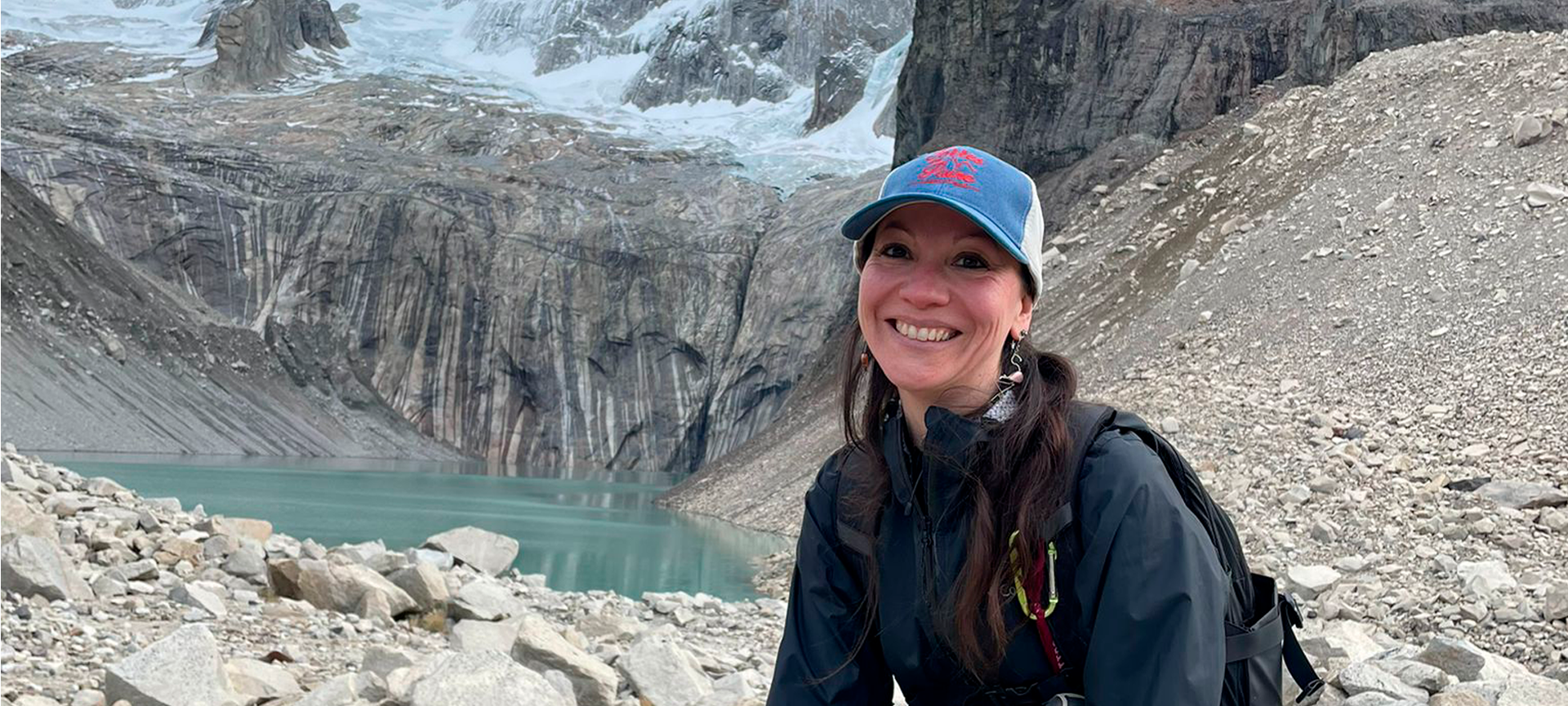
To talk about this issue and the actions we can take, we interviewed Fiorella Repetto, an environmental biologist from the Universidad de Chile, expert in ecological restoration and Director of the Torres del Paine Legacy Fund, a non-profit organization that implements and funds sustainable action projects in Torres del Paine National Park.
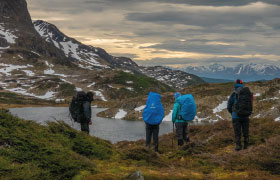
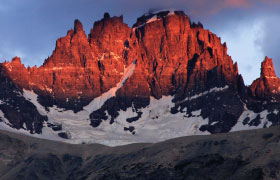
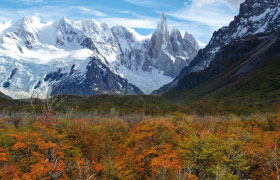
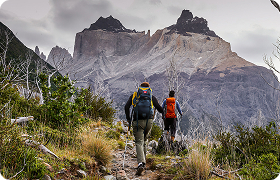
Fiorella arrived in Magallanes in 2009 and fell in love with its landscapes. Since then, she has dedicated her career to ecological restoration, with a clear conviction: we can use and enjoy nature, as long as we are conscious of minimizing our impact on a territory of enormous value. Torres del Paine, she says, is such an impressive place that it “makes you feel very small.”
For her, climate change is already inevitable, and what remains is to adapt and recover ecosystems. That is why she insists that protected areas, and not just the National Park but the entire Biosphere Reserve, are key to the future, because their biodiversity will be needed when everything changes.
International Day against Climate Change: a nursery for native plants
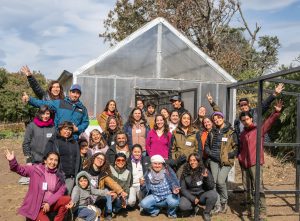
One of the Fund’s lines of work is education and awareness for visitors, along with concrete action on the ground. The most recent is the construction of a native plant nursery inside the National Park, made possible by its main donors: Chile Nativo, which contributed 70% of the project’s funding, and A&K Philanthropy.
According to Fiorella, it may well be the first national park with a nursery of this kind inside it. But it is also an educational space, like everything the foundation does: volunteers, visitor groups and partners who share what is being done in the park. The idea is to raise awareness in as many people as possible, alongside allies who see conservation the same way.
Many visitors leave impressed not only by the landscape, but by everything surrounding the park: the natural, historical and cultural heritage of Magallanes. For those who come from abroad, this region is “the end of the world,” but once they get to know its interior, its Indigenous peoples and the geological changes that have shaped the territory, the experience becomes something else. “We are part of a story already told,” Fiorella sums up.
A future on the move
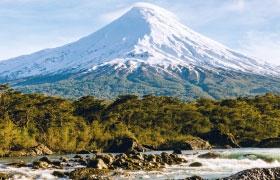
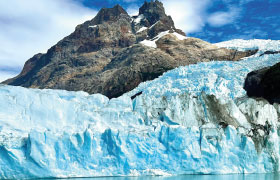
But there is also a story still to be written, and with it, an uncertainty that has given rise to concepts like eco-anxiety. According to the biologist, climate change will cause ecosystems to shift. No one knows whether it will take years or decades, but Magallanes could come to resemble the Los Ríos or Los Lagos regions: rainier and more like a temperate rainforest. Some ecosystems will be lost, and others will be transformed, which raises a difficult question. If the ecosystems that sustain pumas and huemules today move, but the park stays where it is, what will we be protecting in a few decades? “We don’t know,” she admits. “The mountains, probably, with less snow and fewer glaciers.”

With that in mind, Fiorella says the first step is to accept that climate change is here to stay and that extreme events will become increasingly common. That awareness allows us to think about adaptation: cities and people better prepared to avoid tragedies, and more foresight when planning construction, trips and visits to protected areas.
In the meantime, we must keep caring for what we have. “All conservation actions will always be useful,” she says. For her, the key is to leave nature as healthy as possible so it can respond better to what is coming. “Restoration is key, especially in degraded areas,” because that is where the impacts will be felt most. That is why it is so important to know how to produce native flora: the healthier our ecosystems are, the better adapted they will be to the effects of climate change.