



International Mountains Day
11/12/2025
11/12/2025
 5 min
5 min


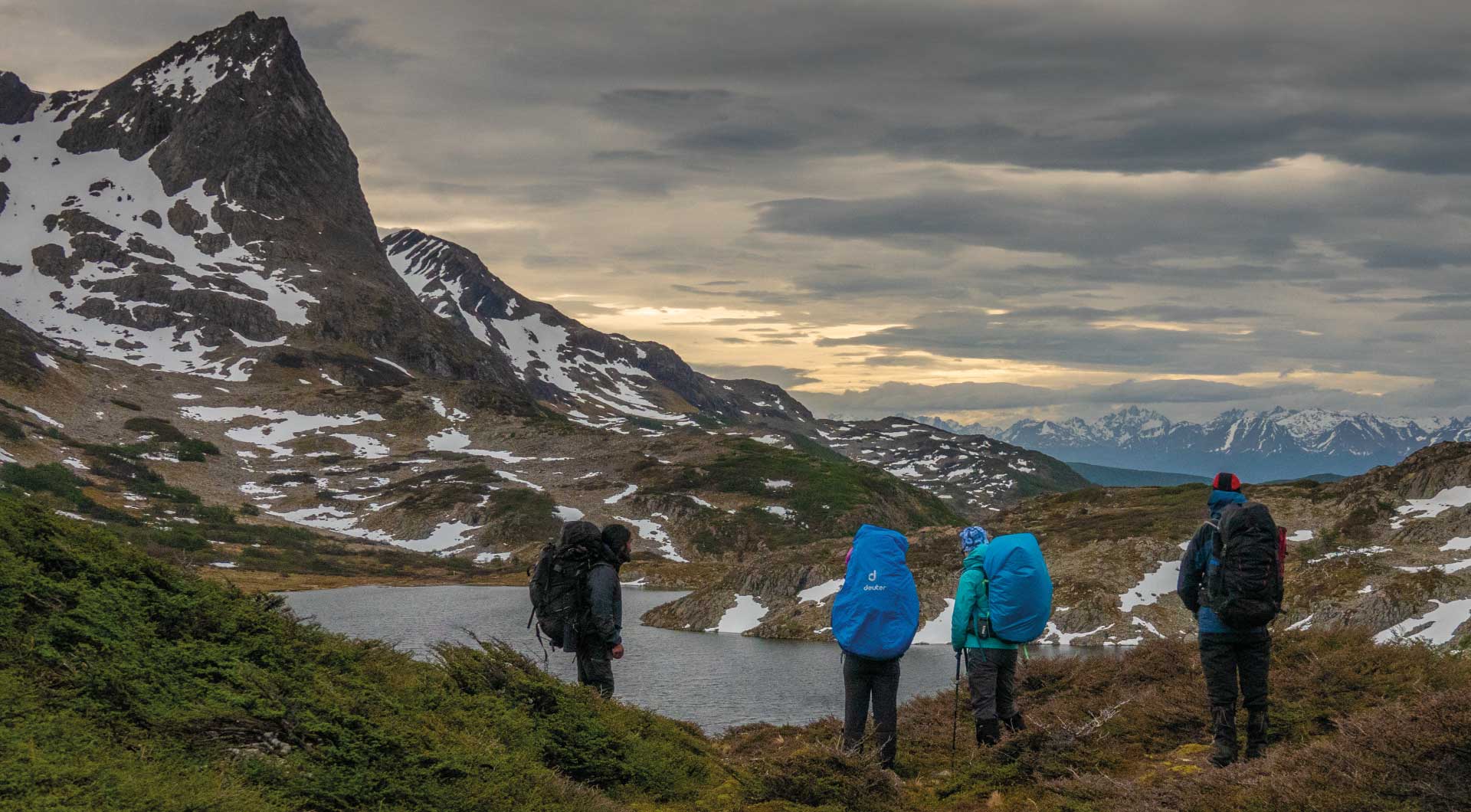
Every December 11th, we celebrate International Mountains Day, proclaimed by the United Nations General Assembly to raise awareness about the vital role these ecosystems play in life, biodiversity, freshwater provision, and sustainable development. Since 2003, this day invites us to reflect on their fragility and the urgent need to protect them through cooperation, partnerships, and innovation.
Mountains are our source of inspiration, but the truth is, we rely on them far more than we imagine. According to the United Nations World Water Development Report 2025, mountains contribute nearly 60% of the freshwater that circulates on the planet each year. Additionally, more than one billion people live in mountain regions, and over two billion rely directly on the water that originates there for their daily consumption, hygiene, and livelihoods.
This date calls on us to recognize their contributions to biodiversity, culture, freshwater, and the livelihoods of millions of people. And this year, the theme leads us to the heart of what makes mountains so essential: their glaciers.
Mountains and glaciers
This International Mountain Day 2025, under the theme “Glaciers Matter for Water, Food, and Livelihoods in Mountains and Downstream Areas”, highlights the role of mountain regions as the world’s water towers and calls for urgent action to halt the disappearance of their glaciers.
Glaciers are much more than landscapes: they are vital water reserves that feed rivers, forests, cities, and entire economies. Seventy percent of the planet’s freshwater is stored in glaciers and ice sheets.
However, the accelerated melting of these giants, driven by global temperature rise, is placing communities, agriculture, clean energy, and ecosystems at risk
The case of Chile
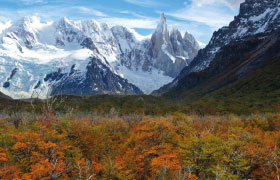
If there is a country that truly understands glaciers, it is Chile: home to 82% of South America’s glaciers, nearly 24,000 of them stretching from Arica to Punta Arenas. In the northern and central regions, glaciers take refuge at over 3,000–4,000 masl due to higher temperatures.
In Patagonia, however, glaciers reach the sea, forming some of the world’s most unique fjords. And in the far south lies the greatest concentration of Chilean ice: the Southern Patagonian Ice Field, the third-largest ice mass on Earth after Antarctica and Greenland.
Patagonia’s glaciers
The threats are undeniable: According to the book Conservación en la Patagonia Chilena, this region is home to 18,954 glaciers covering 22,463 square kilometers. However, between 2000 and 2018, annual meltwater loss reached historic levels, exceeded only by Alaska and certain areas of the Artic.
What is the best way to protect them? Learning, understanding, and committing. That’s why experiencing Patagonia can be truly transformative.
Here are some glaciers you can visit in Chile’s southernmost regions:
- O’Higgins Glacier: Aysén Region
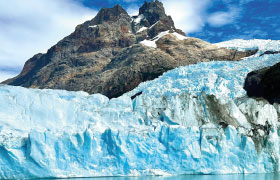
A boat from Villa O’Higgins takes you into the heart of the Southern Patagonian Ice Field, right in front of a monumental ice wall rising from the deepest lake in the Americas.
- Balmaceda & Serrano Glaciers: Bernardo O’Higgins National Park
Just a boat ride away from Puerto Natales, these glaciers rise surrounded by forests of coigües, ñirres, and firebush. A perfect way to witness how life and ice coexist in harmony.
- Grey Glacier: Torres del Paine National Park
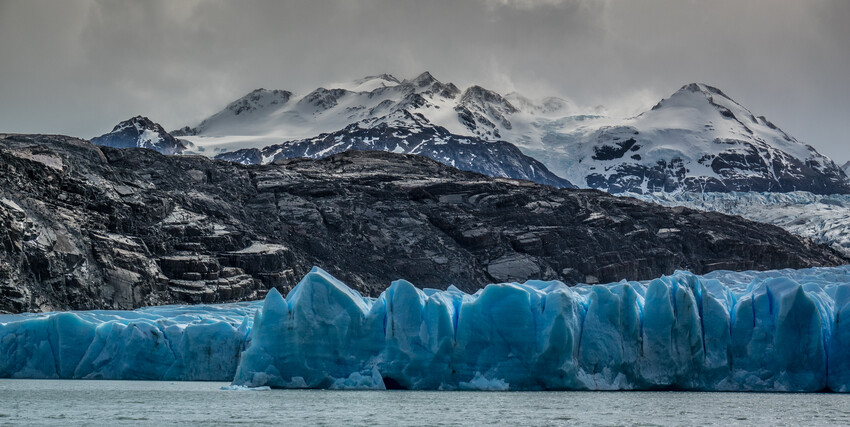
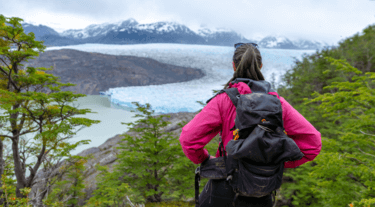
Covering 270 km², it is one of Patagonia’s true gems. Walking on Grey Glacier is an unforgettable adventure: deep-blue crevasses, meltwater rivers, turquoise pools, and the absolute silence of ancient ice.
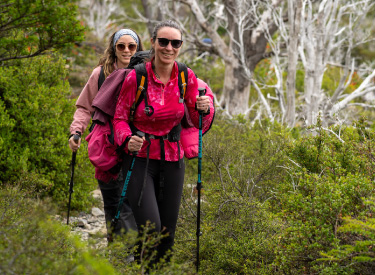
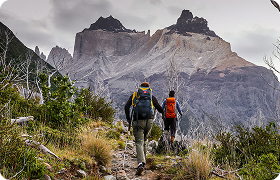
With Chile Nativo Travel, you can visit Grey Glacier during your W Trek, on a program certified for carbon emissions accounting, a pioneering initiative in Chile and a concrete way to combine adventure with environmental stewardship.
Challenges and threats
The disappearance of glaciers puts at risk:
- Access to water for communities and native species
- Forests, wetlands, and rivers that depend on meltwater
- Activities such as tourism, livestock, and hydropower
Mountains and their glaciers are not mere landscapes: they are living systems that sustain the world as we know it. This December 11th, let’s renew our relationship with mountains, protecting them means protecting ourselves.