








National Protected Areas Day in Chile: Let’s Keep Patagonia Wild
14/11/2026
14/11/2026
 19 min


Every second Saturday of November, Chile celebrates its National Protected Areas Day, established by law in 2023. In 2026, it falls on Saturday, November 14. It is a good moment to ask a simple question: what exactly is being protected, and why does it matter when we travel?
What is a protected area?
A protected area is a piece of land or sea protected by law to care for nature and cultural heritage. In Chile they come in several categories, including national parks, national reserves and natural monuments. CONAF, Chile’s national forestry corporation, manages 110 state protected areas covering 18.8 million hectares, roughly 21% of the country’s territory.
Protected areas shelter native wildlife, keep water sources clean, store carbon and preserve landscapes found nowhere else. In Patagonia they are also living territories. Long before they were parks, these lands and channels were home to Indigenous peoples such as the Aónikenk on the steppe and the Kawésqar in the western channels. Their knowledge of the land is part of what we protect.
The impact on Patagonia
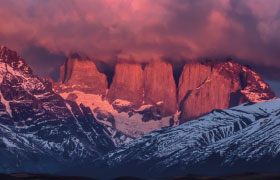
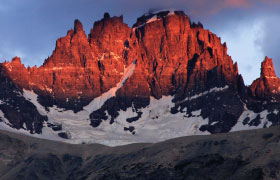
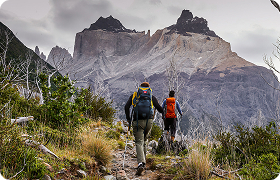
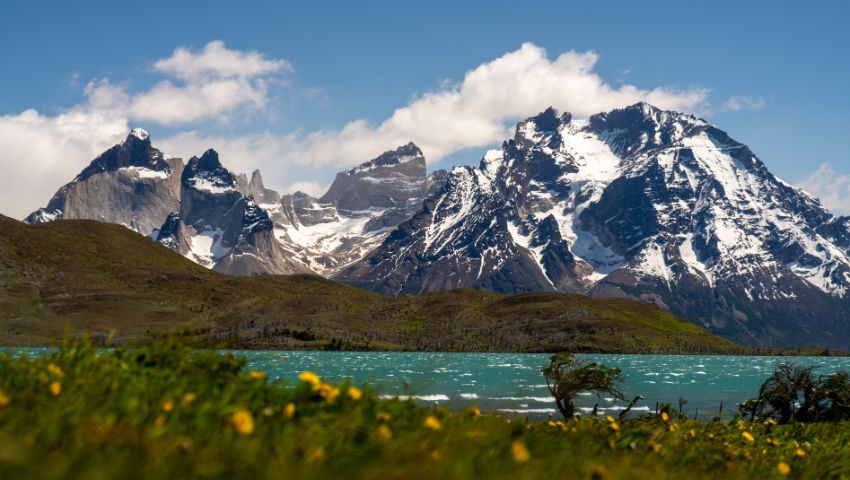
In the Magallanes region there are 15 state protected areas, and Torres del Paine National Park is one of them. Torres del Paine was officially proclaimed a national park on May 13, 1959, and declared a UNESCO Biosphere Reserve in 1978. It covers more than 227,000 hectares between the Andes and the Patagonian steppe, where herds of guanacos are a common sight. It is also the third most visited protected area in Chile, which makes responsible travel especially important.
Protecting nature is now more important than ever, and that is why, at the end of the continent, Chile is working to create Cape Froward National Park. Cape Froward is the southernmost point of mainland South America, on the Brunswick Peninsula, about 90 km southwest of Punta Arenas. The future park would protect ancient subantarctic forests, including the Guaitecas cypress, the world’s southernmost conifer, and vast peatlands that store carbon. It is also one of the last continental habitats of the huemul, an endangered Andean deer, and it is Kawésqar ancestral territory.
The project exists thanks to the Rewilding Chile Foundation, which in 2024 donated 127,302 hectares in Magallanes to the State to create Cape Froward National Park. The park has not been officially created yet. On November 3, 2026, a new agreement with the foundation set out a further donation of more than 22,000 hectares, which would bring the future park to about 183,000 hectares. Creating a protected area takes years of work by communities, foundations and the State.
How we travel: caring for what we love
At Chile Nativo, we are committed to sustainability, and we put it into practice through these actions:
- Certified carbon footprint. Our five-day W Trek is the first and only tourism program in Chile to have its carbon footprint measured and certified through the HuellaChile program of the Ministry of the Environment.
- Support for conservation. For every day our travelers spend in Torres del Paine, we contribute US$2 per person to the Torres del Paine Legacy Fund, which supports conservation and community projects in the park and its surrounding communities.
- Local communities first. We prioritize local suppliers, buy regional products and support small businesses in our region.
- Zero-waste mindset. We work to keep our journeys as close to zero waste as possible, from our kitchen to the trail.
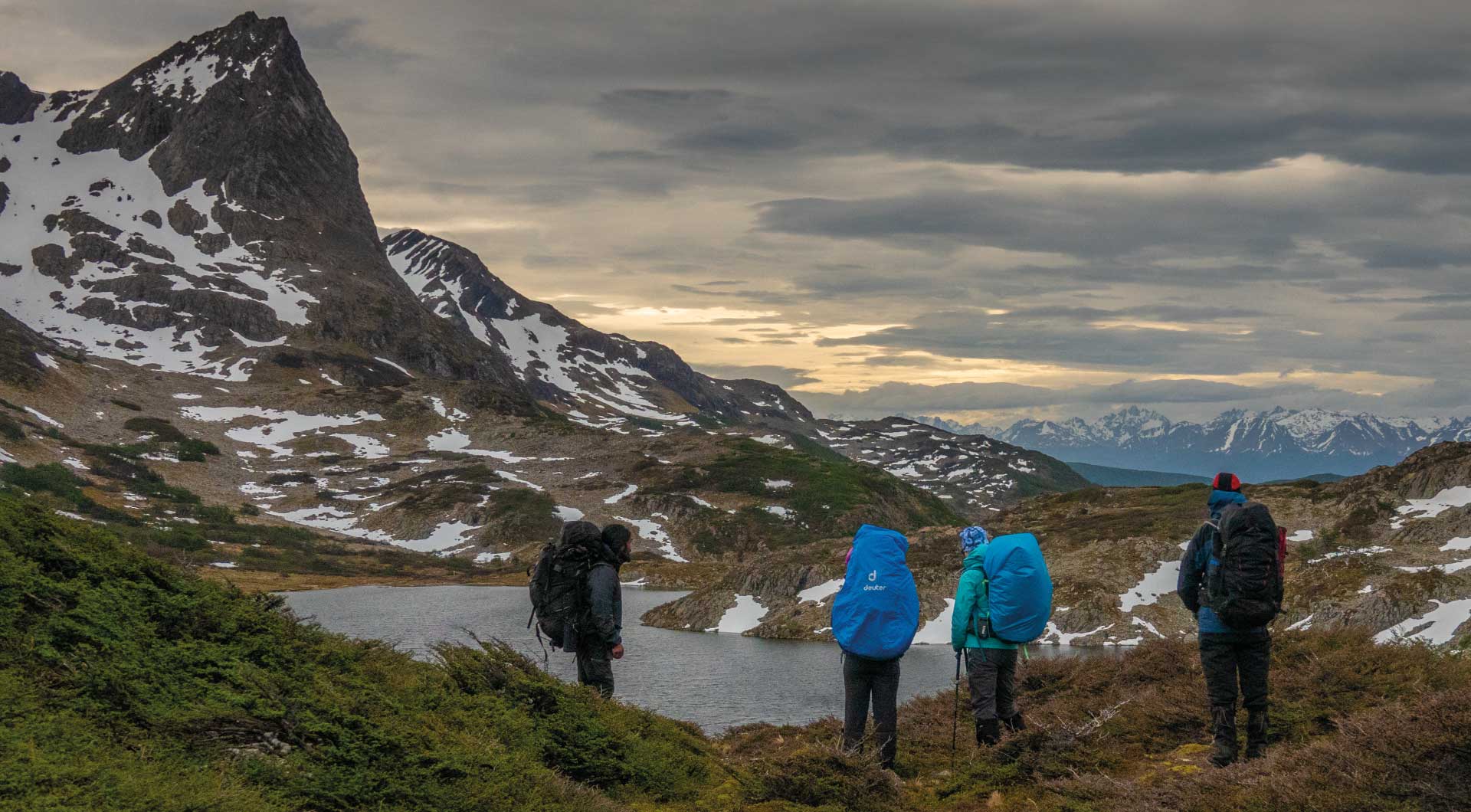
- Small groups. We travel in groups of up to 8 people to reduce our footprint on the trail and to respect the carrying capacity of the places we visit.
This National Protected Areas Day, let’s keep Patagonia wild.
Ready to explore Patagonia? Discover our Torres del Paine tours.


Carbon Clear-Vision
Classic W Trek (5D/4N)
Emission Facts / Pax
| Kilograms CO₂e |
% of Emissions |
|---|
* Audited calculation under GHG Protocol, ISO 14064-1, and UK DESNZ/DEFRA 2024 conversion factors with Turshop.
As local Patagonian outfitters since 2001, Chile Nativo believes that experiencing Torres del Paine comes with a direct responsibility to protect its fragile ecosystems. That is why we measure and offset 100% of the ground and boat emissions generated on our W Trek programs at no extra cost to you.
To further climate transparency and education, the data shown here illustrate exactly where carbon is emitted during your journey (ground transport, lake navigation, mountain refugios, and food). We ensure your trek is carbon-compensated by retiring verified carbon credits equal to 100% of the carbon expended on the trail. Learn more about how Chile Nativo uses carbon offsets.
Every retired credit directly funds third-party verified projects in South American native forest conservation, clean renewable energy, and marine ecosystem restoration. See the exact projects your contribution supports & where your money goes.
✈️
What about my flight to Chile?
When filling out your post-booking traveler form, you can calculate your flight footprint from your home airport to Santiago (SCL) and optionally choose to offset 50% (Patagonia share) or 100% round-trip into these same certified projects.