




Patagonia in Winter: An Essential Guide to Enjoying the Season
11/02/2026
11/02/2026
 8 min
8 min


Patagonia in Winter: An Essential Guide to Enjoying the Season
Patagonia in winter (from May to September) is often surrounded by misconceptions: many imagine it as a harsh and extreme season. However, the reality is quite different. During these months, the absence of heavy rainfall and the significant decrease in wind make traveling in winter, in many ways, even easier than in summer. Amid quiet, snow-covered trails, this season offers one of the most intimate ways to connect with nature, revealing a unique beauty and magnetism for those seeking authentic and deeply moving experiences.
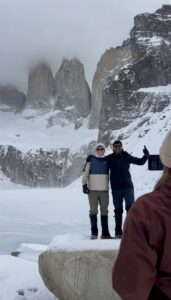
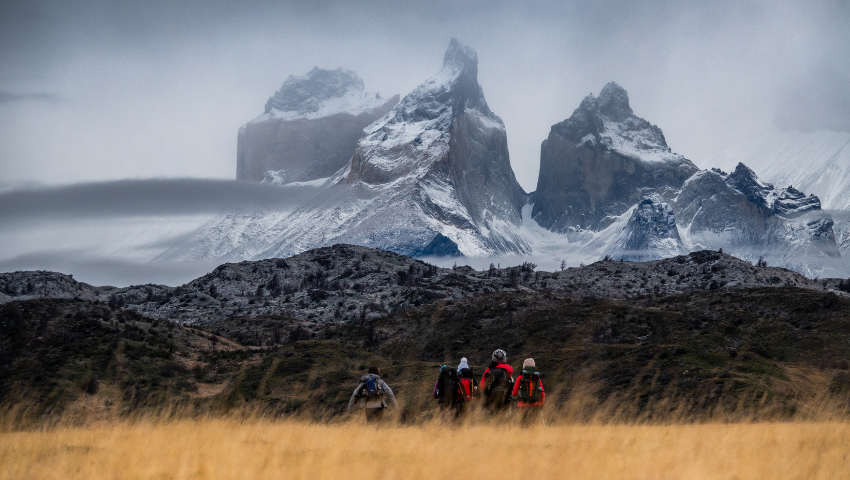
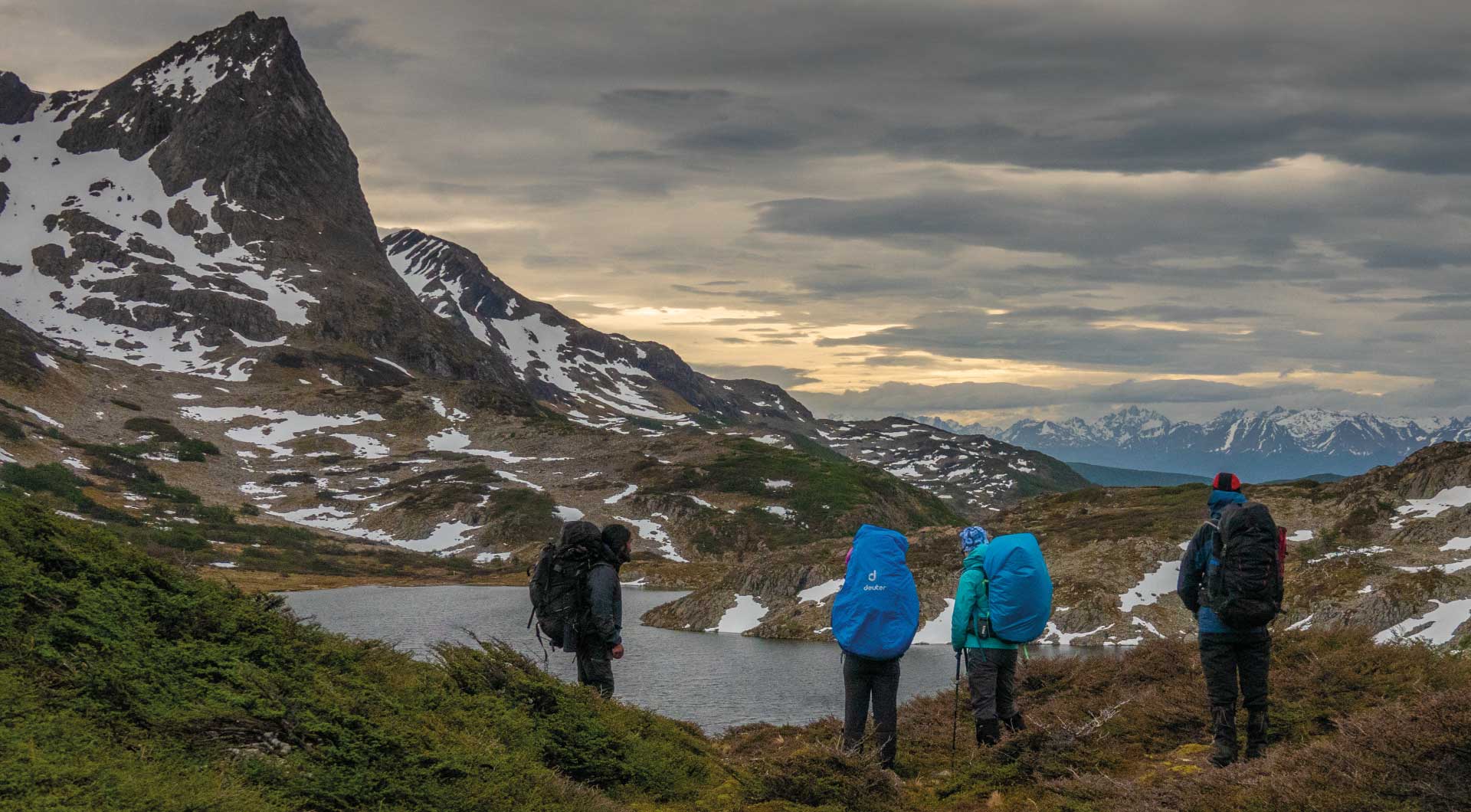
This time of year at the end of the world is a true gift for those who dare to venture into it. As a low-traffic season, winter allows visitors to discover landscapes that very few have witnessed: from the rare privilege of seeing the Torres del Paine and their iconic turquoise lagoon completely blanketed in snow, to the opportunity to track and observe pumas against the striking contrast of a winter landscape.
Adding to this atmosphere of silence is one of winter’s most breathtaking spectacles: its fiery sunrises and sunsets. During this season, the sun’s low position on the horizon and the purity of the crisp air create skies that explode in deep crimson and intense violet tones, bathing the snow-covered peaks in glowing shades of orange. It is a moment when the cold seems to pause before the sky’s chromatic power, offering postcard-worthy scenes that only winter at these latitudes can deliver.
This experience can be enjoyed through both physically demanding activities and gentler, more contemplative options. In either case, traveling to Patagonia in winter requires being well informed and properly equipped. That’s why at Chile Nativo we’ve created this winter guide, so you can enjoy the Patagonian winter safely, confidently, and without complications.
Winter in Patagonia
Between May and September, winter in Patagonia is characterized by shorter days and temperatures ranging from -8°C to 10°C. During this period, many hotels and mountain lodges close, significantly reducing the number of visitors within the national park.
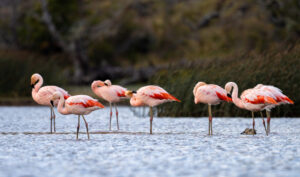
Even so, nature continues to unfold with remarkable strength. Across the pampas, winter enhances the chances of spotting iconic wildlife such as guanacos, culpeo foxes, pumas, and, if you’re lucky, even huemuls. Adding to this scene is the arrival of flamingos, which gather in lagoons and wetlands during winter, creating a striking spectacle: their soft pink hues stand in beautiful contrast to the snow-covered landscapes and the stillness of the surroundings.
During this season, wind gusts decrease considerably, and the snow cover completely transforms the quality of light in the landscape. This combination makes winter especially appealing to photographers seeking to capture Patagonia from a calmer perspective, with unique atmospheres and a sense of tranquility that’s hard to find at other times of the year. The sun remains low on the horizon for most of the day, creating an extended “golden hour” and long shadows that sculpt the mountains with a drama impossible to capture in summer.
How to Prepare for Winter Patagonia
Patagonia is known for the variability of its weather conditions. During winter, low temperatures can create surfaces with patches of ice, making proper preparation essential, as the right equipment plays a key role in both the quality and safety of the experience.
In this context, dressing in layers is a practical and highly effective strategy for facing the Patagonian winter.
The layering system
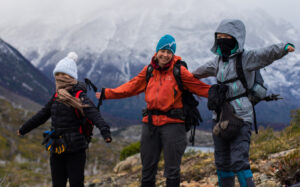
Layering is the best way to stay dry, warm, and protected in changing outdoor conditions. Each layer serves a specific purpose, and together they help regulate body temperature.
Base layer: Moisture management
This layer sits directly against your skin and is designed to wick moisture away from your body, preventing sweat from causing heat loss.
Key recommendations:
- Synthetic thermal materials: more affordable options such as polyester or polypropylene. They are lightweight, quick-drying, and manage moisture effectively.
- Merino wool or alpaca wool garments: ideal for high-intensity activities. They absorb moisture, are naturally antibacterial, help regulate body temperature, and prevent odors even after several days of use.
Avoid cotton: it retains moisture, dries slowly, and cools the body, increasing the risk of hypothermia.
Mid layer: Thermal insulation
This intermediate layer traps body heat, creating a barrier that prevents warmth from escaping. It should be insulating while still allowing breathability to manage sweat during physical activity.
Recommended options:
- Fleece or wool: Fleece is lightweight, affordable, and quick-drying. Wool (merino or alpaca) stands out for its temperature-regulating properties and long-lasting comfort.
- Other insulating materials: Blends of synthetic and natural fibers, ideal for those seeking performance with a lower environmental impact.
Outer layer: Weather protection
This is the external barrier, designed to protect against wind, rain, and snow. It should be waterproof, windproof, and breathable to shield you from the elements without causing overheating.
Key features:
- Technical waterproof and breathable jackets.
- Look for adjustable hoods, underarm ventilation, functional pockets, and an ergonomic fit that allows freedom of movement.
Trekking boots
High-cut trekking boots provide greater stability while walking. They should feature a firm sole for impact absorption, waterproof and breathable materials, and compatibility with crampons. Always choose comfortable footwear and never break in new boots in the field—wear them beforehand to avoid injuries.

What to do in Patagonia in winter
Patagonia offers a wide range of activities that can also be enjoyed during the winter season. Options range from guided hikes, estancia visits, kayak, to longer programs such as the Patagonia Winter W Trek or our Discovering Torres del Paine in Winter program, designed for travelers seeking a slower, more contemplative experience.
At Chile Nativo, you can choose the activity that best suits your travel style and the way you want to experience the Patagonian winter:
Winter Programs
During this season, we offer two regular programs:
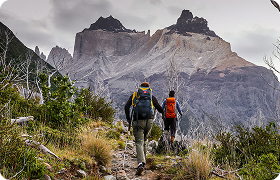
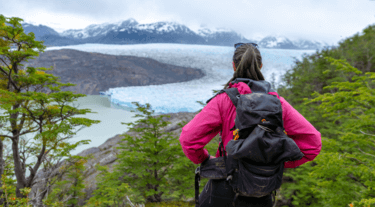
- Patagonia Winter W Trek: An ideal alternative for travelers looking for a true challenge. Hiking the classic W Circuit in winter is an experience reserved for few, allowing for a much more intimate encounter with Torres del Paine National Park. During this time of year, access to trails such as Base Torres or the French Valley is only permitted with a certified guide. At Chile Nativo, we provide all the logistics and expert support needed to experience this journey safely.
- Discovering Torres del Paine in Winter: A program designed for those who wish to connect with the winter landscape at a slower pace. It includes accommodation at the comfortable Hotel Grey and explorations of lesser-traveled trails within the national park, which in winter are virtually deserted. This experience combines gentle hikes, navigations, and a special closing with an authentic Patagonian lamb barbecue.
Winter Activities
For those who wish to extend their stay or create a tailor-made itinerary, we also offer a variety of complementary winter activities:
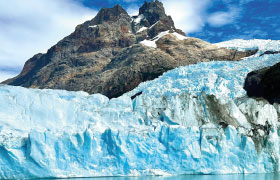
- Navigations: Half-day or full-day excursions that allow you to explore Patagonia’s fjords and admire imposing mountains and glaciers such as Grey Glacier or the Serrano and Balmaceda Glaciers.
- Puma Tracking: Dedicated outings focused on the respectful search for Chile’s largest feline. In winter, the chances of sightings increase due to reduced tourist activity.
- Estancias: Immersive experiences into Patagonian culture through visits to traditional estancias, where you can learn about local customs, gastronomy, and way of life.
- Kayaking: A unique way to explore Patagonian fjords and enjoy panoramic views from the water.
A Must-Visit: Puerto Natales

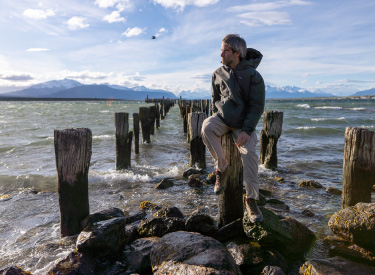
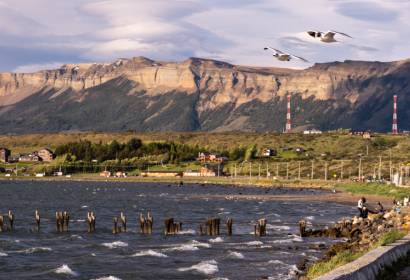
Puerto Natales is the gateway to Torres del Paine National Park. The city stands out for its distinctive architecture and its renowned culinary scene, internationally recognized and officially awarded in 2024 by the World Food Travel Association as Chile’s first Culinary Capital.
Exploring Puerto Natales and discovering its history through its streets, waterfront promenade, and diverse selection of restaurants, bars, and cafés is a must for anyone visiting Patagonia.
If you are a coffee lover, a visit to Holaste! is essential. It is the only café in Chile included in the prestigious The World’s 100 Best Coffee Shops ranking. Here, you can enjoy a carefully curated selection of specialty coffees alongside a sweet and savory menu designed to suit all tastes; Patagonia Dulce is another excellent option for those seeking high-quality, varied pastry offerings. For those looking to experience an authentic local flavor in a sweet format, Aluén Gelatería is a must-stop. Its artisanal ice creams stand out for highlighting local fruits such as calafate and rhubarb, offering a refreshing and truly unique experience, even on winter days.
For travelers wishing to savor traditional Patagonian cuisine, we recommend Mesita Grande, a restaurant well known for its pizzas and pastas; La Guanaca is another great choice for pizza lovers, offering a diverse menu that highlights local flavors and identity.
If you’re looking for a more refined dining experience, Lenga Restaurant offers a high-end culinary proposal, standing out for the quality of its dishes, thoughtful presentation, and the use of contemporary culinary techniques; Santolla, on the other hand, specializes in seafood and dishes prepared with locally sourced ingredients.
For a more relaxed and distinctive experience, Baguales BrewPub is a must-stop: a lively bar offering the first draft beer ever brewed in Puerto Natales. Finally, be sure to visit Last Hope Distillery, where you can enjoy its gastronomic offerings and learn firsthand about the craft behind its spirits.
Your Invitation to Discover Patagonia in Winter
Winter transforms Patagonia into a silent and powerful landscape, reserved for those seeking a deeper connection with nature. With the right preparation and expert guidance, this season reveals a different side of the territory—more intimate, challenging, and authentic.
If you’re looking for a complete experience, Puerto Natales is an essential stop to enjoy its outstanding culinary scene. At Chile Nativo, we invite you to discover Patagonia in winter in a safe, mindful, and respectful way, through experiences that stay with you long after the journey ends.